01
Overview
For a few weeks each year this is the densest concentration of newborn prey and hungry predators in Africa.
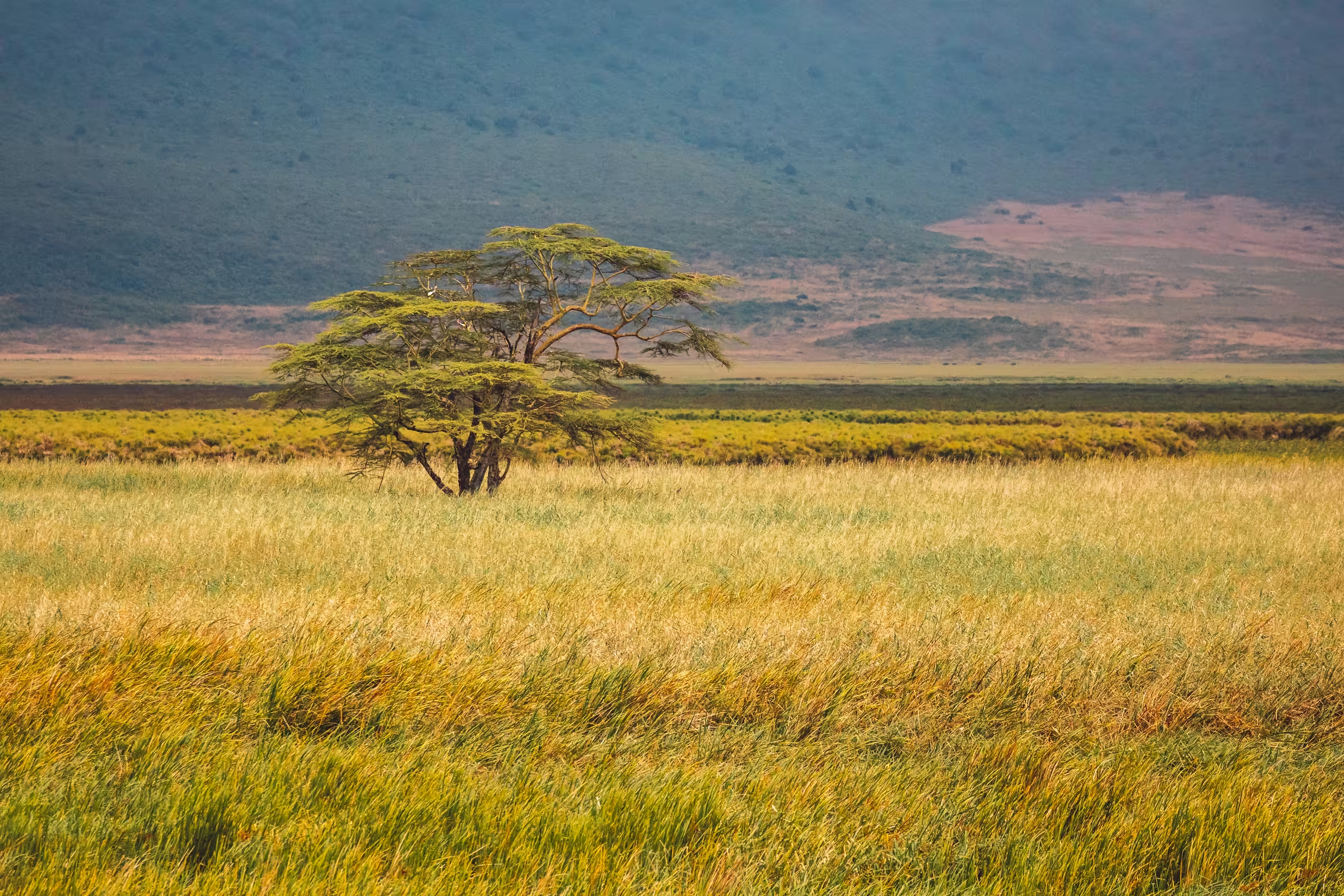
Ndutu sits on the boundary of the Serengeti and the Ngorongoro Conservation Area, on short-grass plains growing on volcanic ash. The grass is mineral-rich, which is why the wildebeest come here to give birth rather than anywhere else.
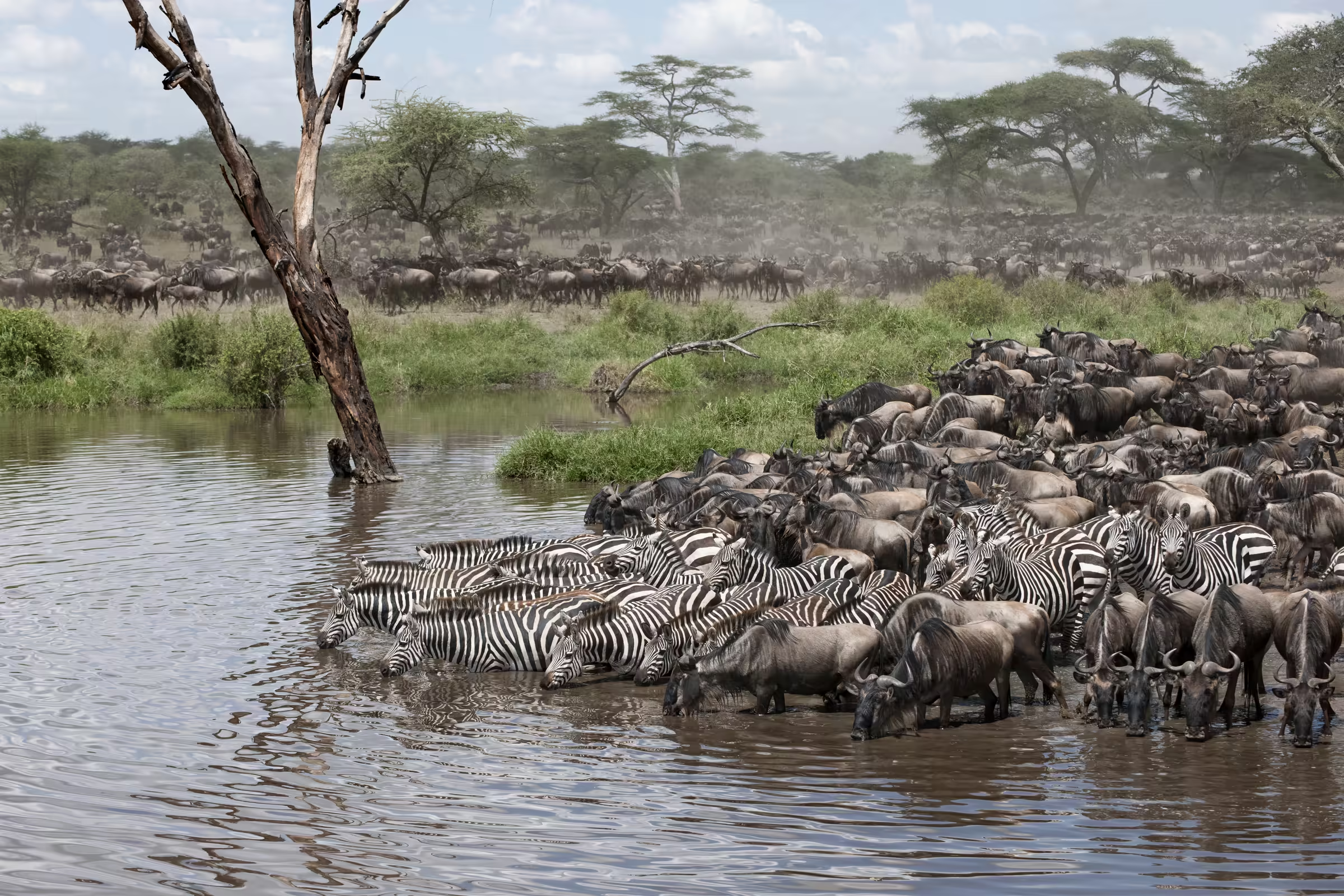
Calving is concentrated: the bulk of some 400,000 calves are born within about three weeks, usually in February. Predators from the whole ecosystem converge, and because the grass is short you can see it happening across long distances.
Wildlife
- Wildebeest
- Zebra
- Lion
- Cheetah
- Hyena
What you actually see
Births, in the open
A wildebeest calf is on its feet within minutes. Watching that happen is the reason people come in February.
Cheetah on short grass
The habitat suits them and the hunting is visible from a long way off.
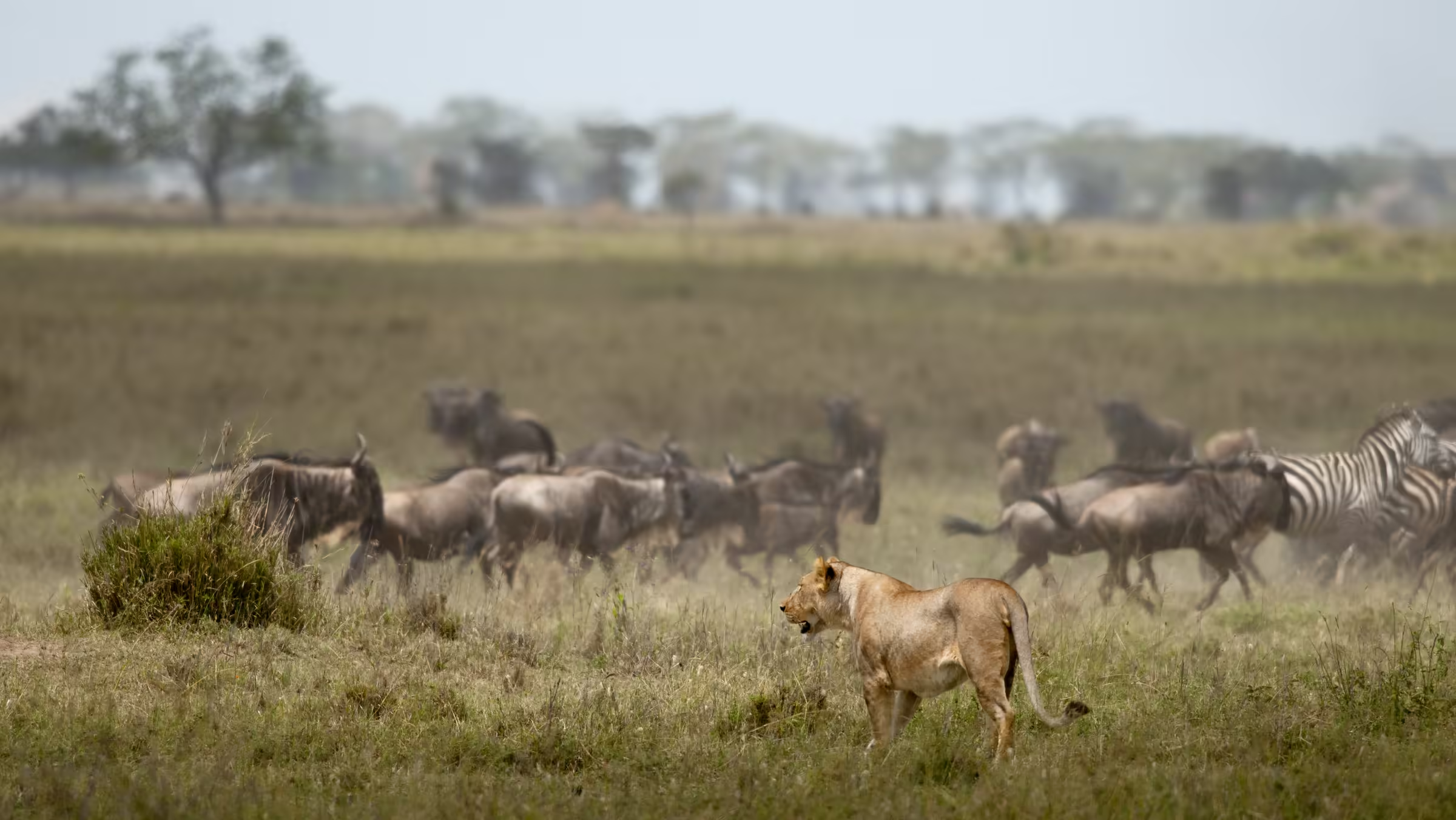
Lion and hyena at full stretch
Abundance changes their behaviour — competition between clans and prides is at its most visible.
Marsh and lake edges
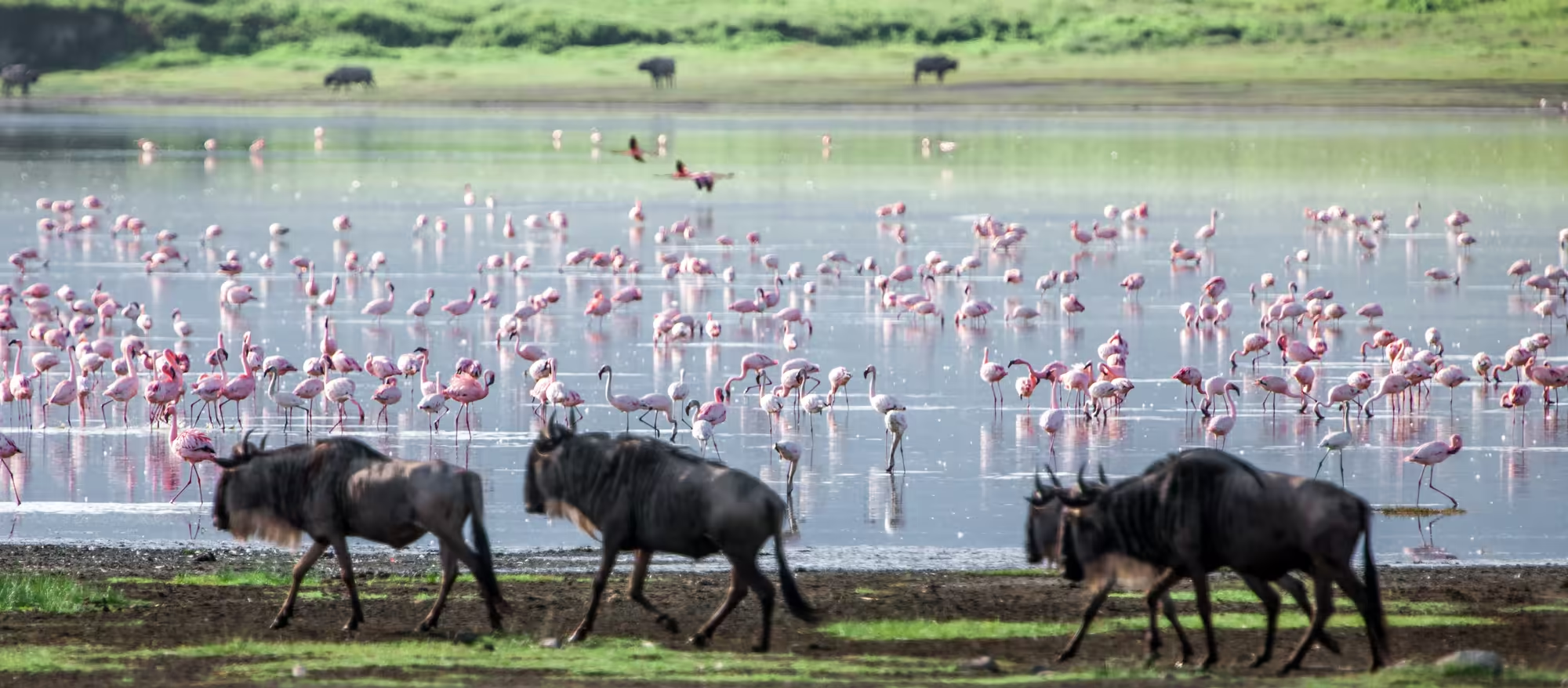
Lake Ndutu and Masek draw game and hold flamingo when the water is right.
02
Where the herds are
Where the herds usually are, month by month. They follow the rain, not the calendar, so the latest sightings decide where your nights go.
Resident lion, leopard and cheetah are in the central Serengeti in every month. The calendar only tells you where the herds are.
03
How the season works
The herds arrive
Following the short rains south. Numbers build through the month.
December
Calving
The peak. Thousands born daily at the height of it, and cheetah, lion and hyena operating in the open.
January to February
Still here, starting to move
Calves are stronger and the herds begin drifting north-west as the plains dry.
March
04
Where to stay
Mobile or seasonal tented camp, Ndutu
A camp that moves with the season, so the nights stay close to the animals.
The kind of place and the area are fixed by the route. The property itself is chosen for your dates and budget, and named in your quote.
05
Getting there
Getting there
On the Serengeti’s southern edge, inside the Ngorongoro Conservation Area: by road through the highlands, or by light aircraft to the Ndutu airstrip.
Combine with
06
Trips that reach the calving grounds
8-Day Green Season Safari
7-Day Great Migration Safari
5-Day Ndutu Calving Season
07
Best time to go
Best months · Dec–Mar
The dry season
Short grass and animals close to water. The busiest months, and the clearest game viewing.
Calving on the southern plains
The herds are on the short-grass plains around Ndutu, with predators to match.
The green season
Rain, long grass and far fewer vehicles — and some camps close for the long rains.
08
Practical
09
More places to go
Ngorongoro Crater
A collapsed volcano with a resident population, including black rhino.
Serengeti National Park
The migration, and four different regions depending on the month.
Lake Eyasi
Hadzabe and Datoga communities, visited properly or not at all.