






01
Overview
The Serengeti is not one place. It is a system, and where you should sleep in it depends entirely on the month you arrive.
The name comes from the Maa word for endless plains, and in the south that is exactly what it is — short grass over volcanic ash, treeless to the horizon. Go north and it changes: rolling hills, thicker bush, and the Mara River cutting through it.
Most first-time visitors are sold “the Serengeti” as a single stop of two nights in the central Seronera area. Seronera is reliable for resident game and it is where most of the beds are. But if you have come for the migration, the central area may be a four-hour drive from where the herds actually are.
Wildlife
- Wildebeest
- Zebra
- Lion
- Cheetah
- Leopard
- Hyena
What you actually see
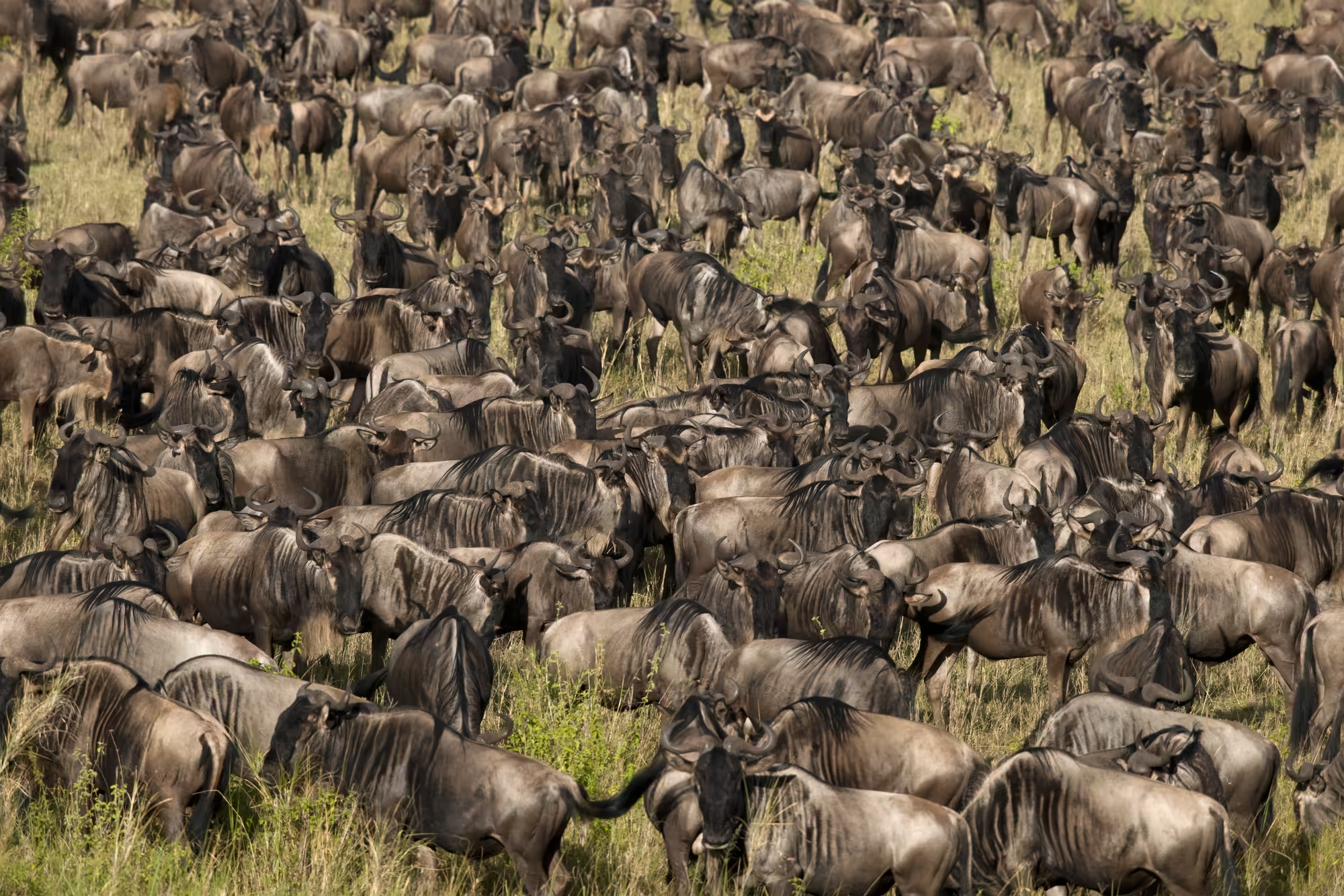
Wildebeest and zebra, in numbers that stop making sense
Around 1.3 million wildebeest move through the ecosystem with several hundred thousand zebra alongside them. The zebra go first — they eat the tall grass the wildebeest cannot.
The full predator set
Lion throughout, leopard along the rivers and kopjes, cheetah on the open plains where they can run. Spotted hyena everywhere, and far more competent as hunters than their reputation suggests.
Kopjes
Granite islands in the grass, older than the plains around them. They hold water, shade and a completely different set of species — hyrax, agama, and very often a lion pride using the high ground.
Big skies and very few fences
The park runs into the Ngorongoro Conservation Area to the south-east and the Maasai Mara to the north, unfenced. The animals treat it as one system because it is one.
02
Where the herds are
Where the herds usually are, month by month. They follow the rain, not the calendar, so the latest sightings decide where your nights go.
Resident lion, leopard and cheetah are in the central Serengeti in every month. The calendar only tells you where the herds are.
03
Four Serengetis, and when each one is worth your nights

The southern plains and Ndutu
Short-grass country around Ndutu and the Salei plains. This is where the wildebeest calve, over a few concentrated weeks, and where the predator density is at its most extreme. Camps here are seasonal — pitched for these months and struck when the herds move on.
December – March
The west and the Grumeti
The herds move north-west through the corridor. April and May are the heavy rains — fewer vehicles, lush country, harder tracks. By June the front of the migration is at the Grumeti River.
April – June

The north and the Mara River
Kogatende and the Mara River. This is the season of the crossings, and it is also the driest, easiest driving of the year. It is the busiest and most expensive stretch of the Serengeti calendar.
July – October

Central Seronera
The Seronera valley holds water year-round, so it holds resident lion, leopard and cheetah whether or not the migration is anywhere near. It is the safest single choice if your dates are fixed and awkward.
All year
04
Where to stay
Lodge or permanent tented camp, central Serengeti
A proper room, often with a long view at the end of the day.
Public campsite, central Serengeti
Under canvas at the park’s own campsites, with our cook.
Mobile tented camp, Serengeti
A camp that moves with the season, so the nights stay close to the animals.
The kind of place and the area are fixed by the route. The property itself is chosen for your dates and budget, and named in your quote.
05
Getting there
Getting there
By road from Arusha through the Ngorongoro highlands, most of a day with game viewing on the way, or by light aircraft to the Serengeti airstrips.
Combine with
06
Trips that spend nights in the Serengeti
4-Day Classic Northern Circuit
5-Day Budget Camping Safari

5-Day Northern Circuit Lodge Safari
07
Best time to go
Best months · Jan–Mar, Jun–Oct
The dry season
Short grass and animals close to water. The busiest months, and the clearest game viewing.
Calving on the southern plains
The herds are on the short-grass plains around Ndutu, with predators to match.
The green season
Rain, long grass and far fewer vehicles — and some camps close for the long rains.
08
Month by month, honestly
09
More places to go
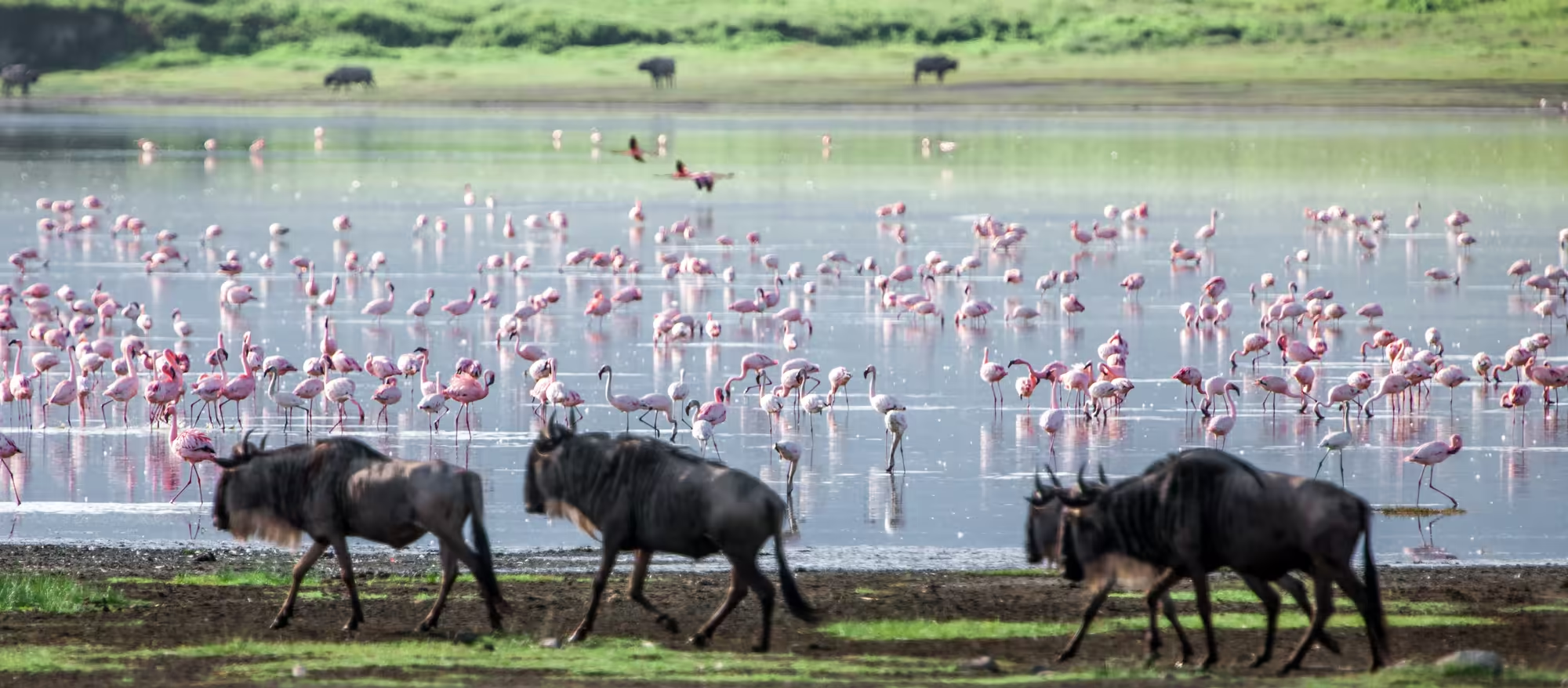
Ngorongoro Crater
A collapsed volcano with a resident population, including black rhino.

Tarangire National Park
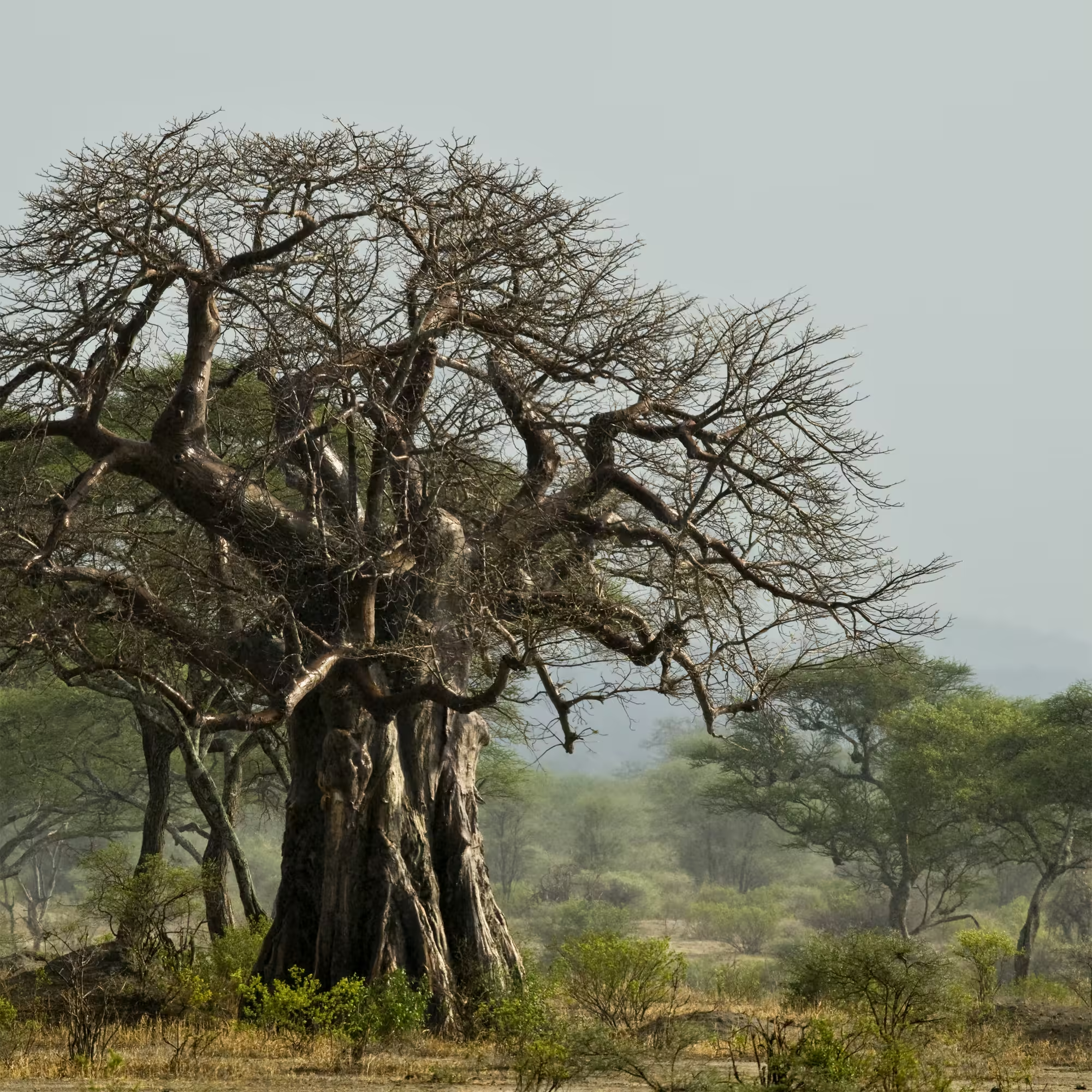
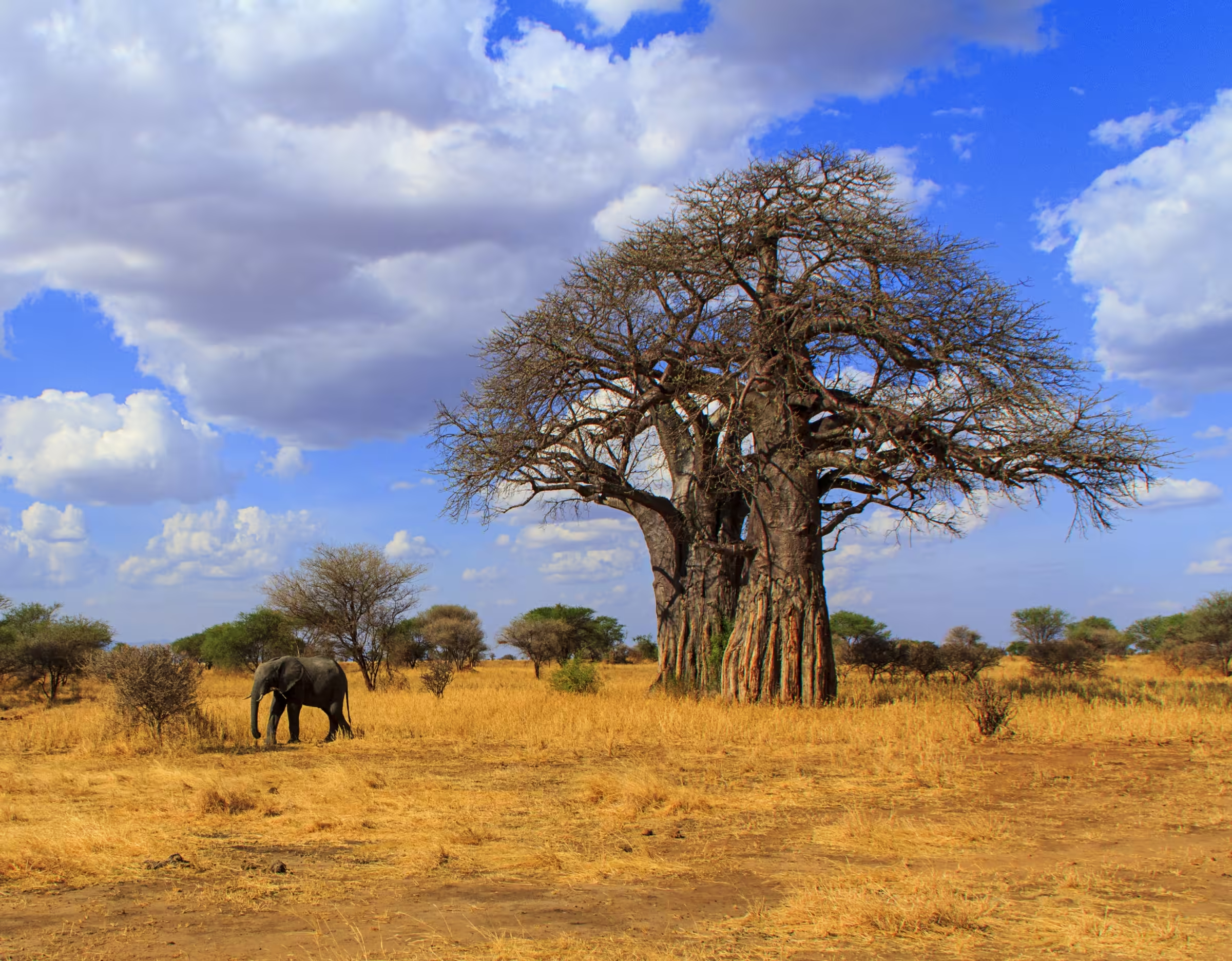
Baobabs and the densest elephant concentrations of the circuit.
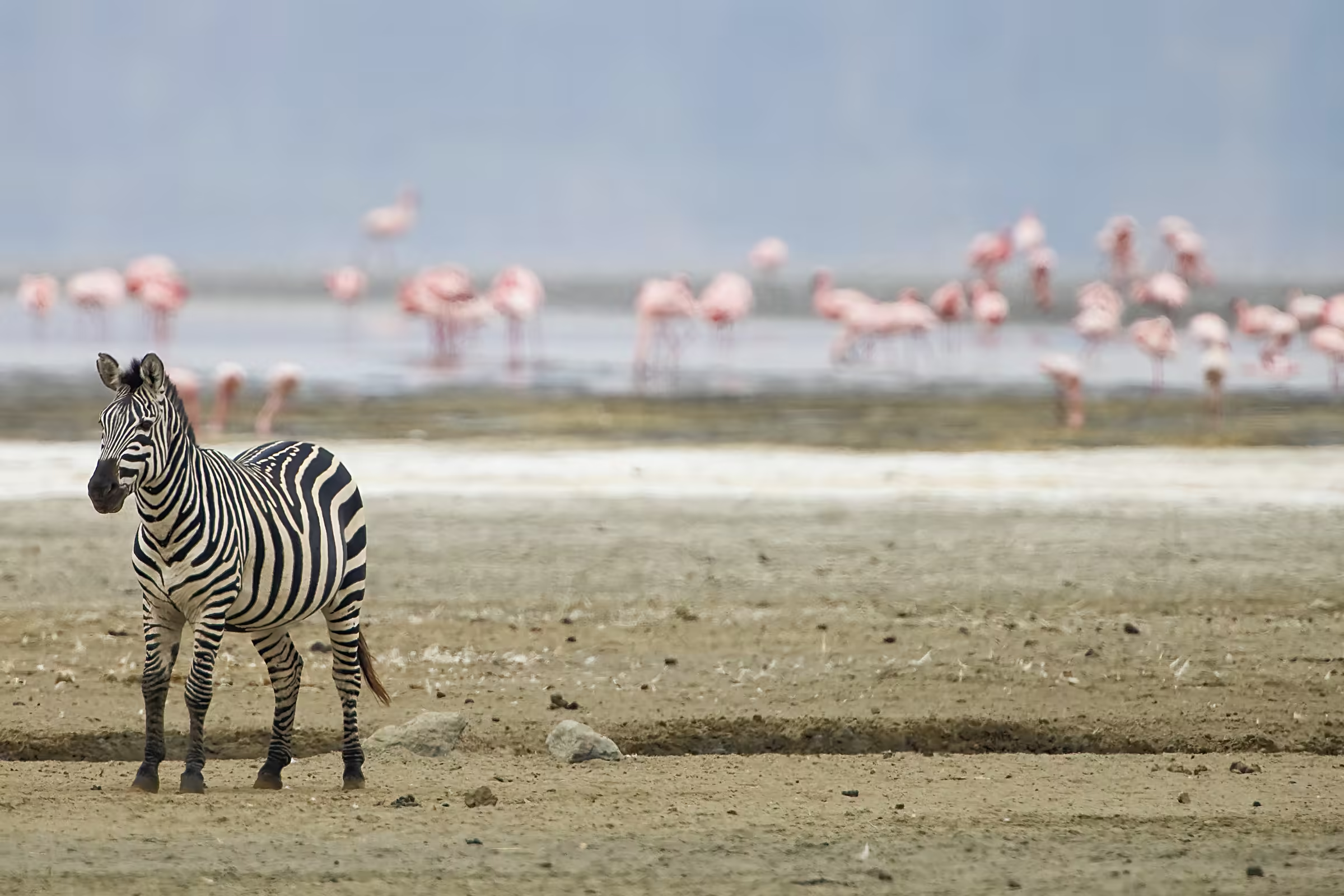
Lake Manyara
Groundwater forest under the Rift wall, and a lot of birds.

