





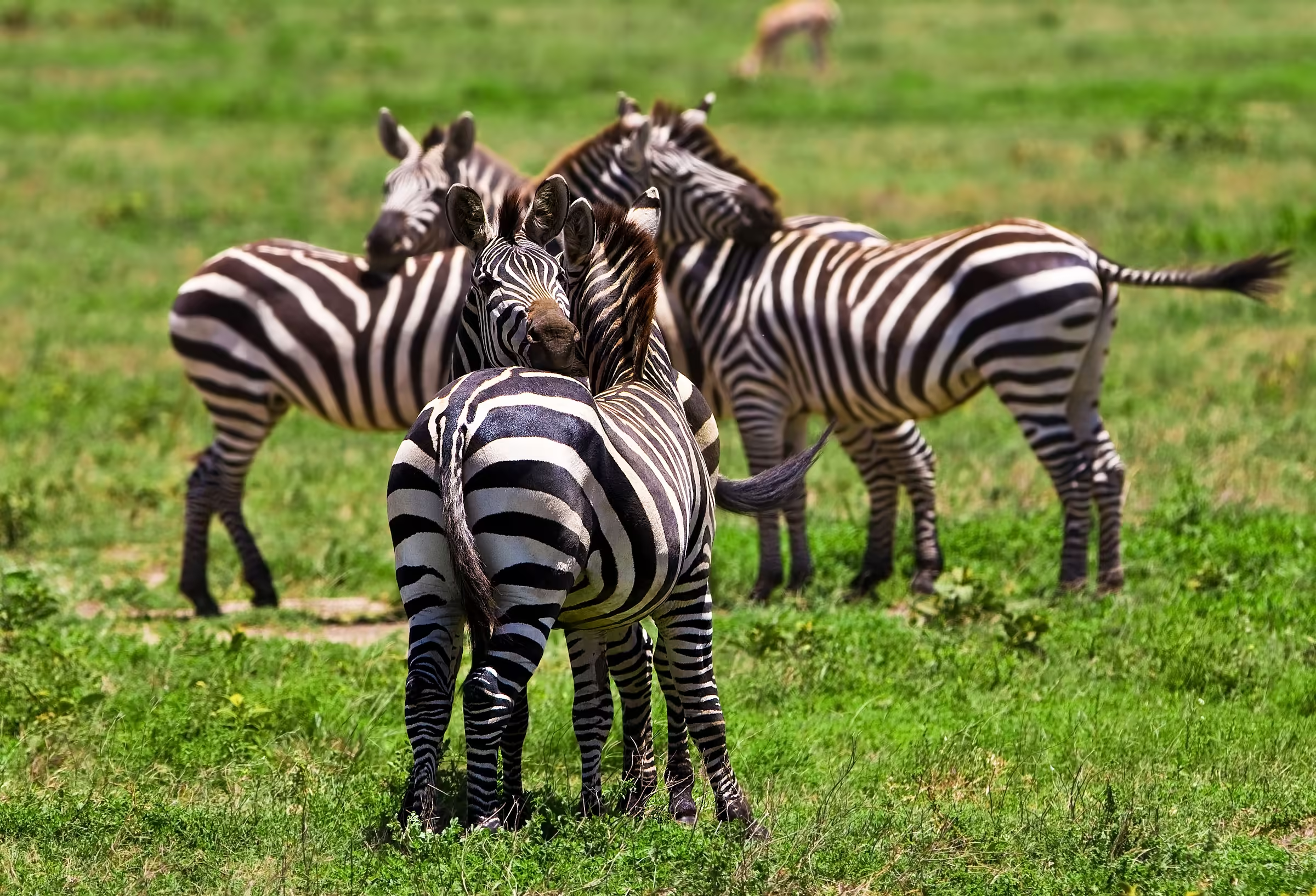
If you only got one hour a day in the Serengeti, you would take the one after sunrise, and it would not be close.
Cold nights mean the predators have been active and are still moving at dawn. The light is low and directional. The air is clear before the day’s heat lifts dust into it. And there is almost nobody else out, because most lodges serve breakfast first.
What you are actually looking at
At first light the plain is doing several things at once. Hyena are heading back from wherever they spent the night. Vultures are still roosting, waiting for thermals. Lion are either finishing something or walking towards shade before it gets hot.
A good guide reads all of this as a set of signals rather than a series of sightings — a vulture dropping means something on the ground, hyena moving with purpose means a carcass somewhere ahead.
Why the light matters so much
For an hour after sunrise the light is side-on and warm, and it picks out dust and breath and the edge of an animal against dark grass. By nine it is overhead, flat and unkind. The difference in photographs taken two hours apart is larger than the difference between two cameras.
The case for leaving before breakfast
Camps will happily give you coffee and biscuits at 5.45 and set up a full breakfast in the bush at half past nine. That single change — eating out there rather than at camp — buys you the whole of the best hour.
And the cold
It is genuinely cold at 1,500 metres before sunrise, and colder in an open vehicle doing forty. Take the blanket the camp offers. Nobody has ever regretted the blanket.

