01
Overview
The largest national park in Tanzania, and on most days you will not see another vehicle at a sighting.
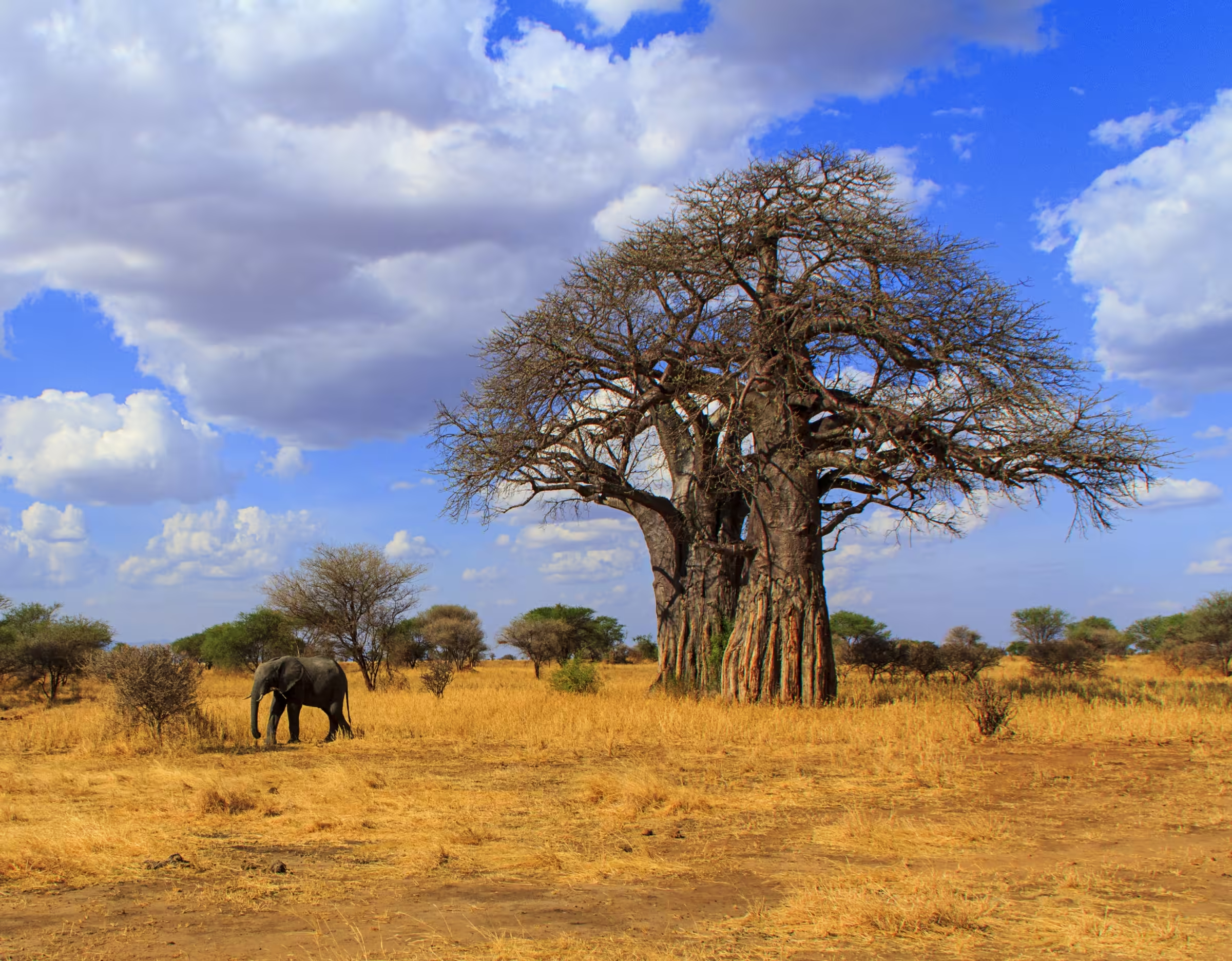
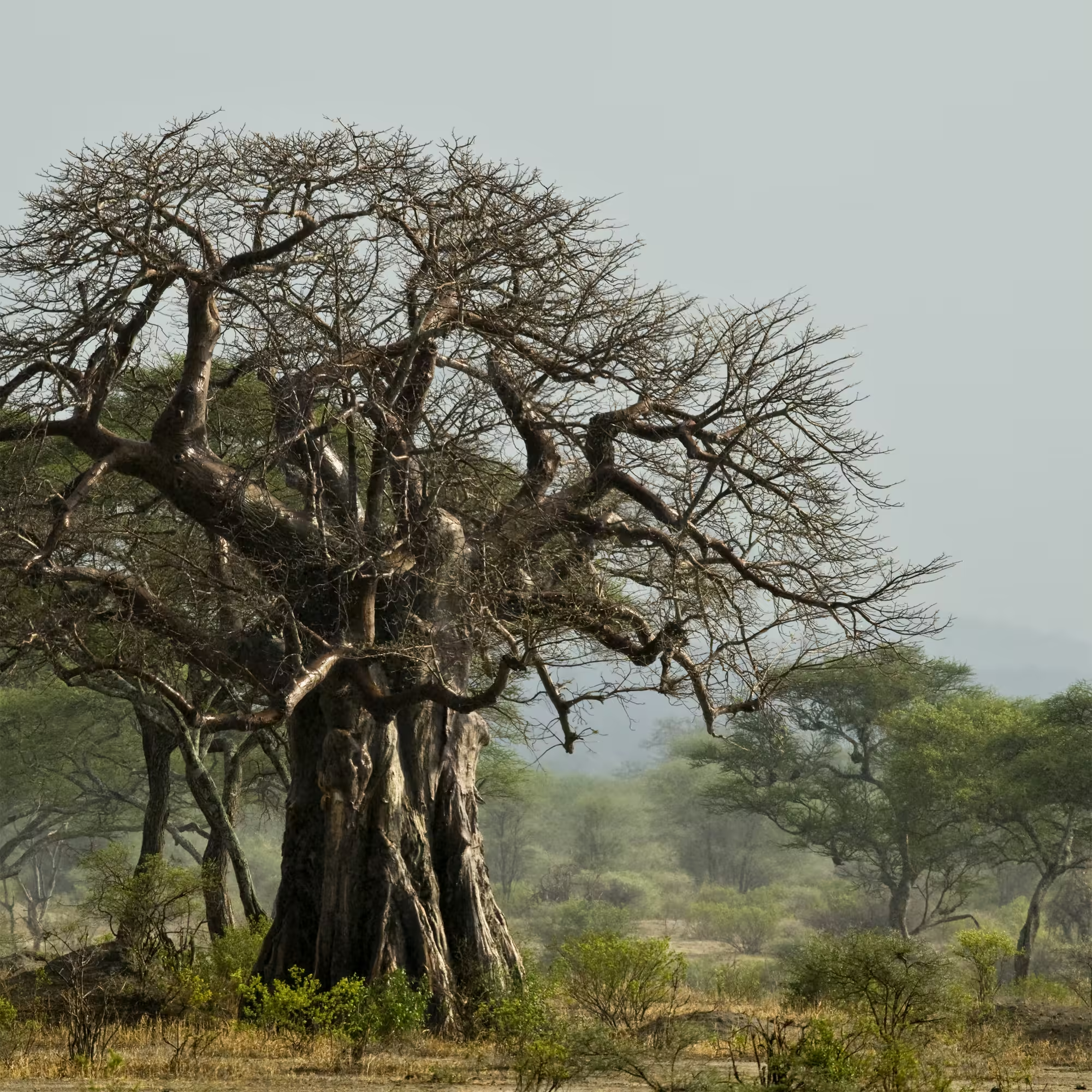
Ruaha sits in the centre-south of the country, reached by a short flight from Dar es Salaam or a long drive from Iringa. It is baobab country, cut by the Great Ruaha River, and it holds one of the largest lion populations in Africa.
It is also where the East African and southern African species ranges overlap, which is why you can see greater and lesser kudu, sable and roan in the same park.
Wildlife
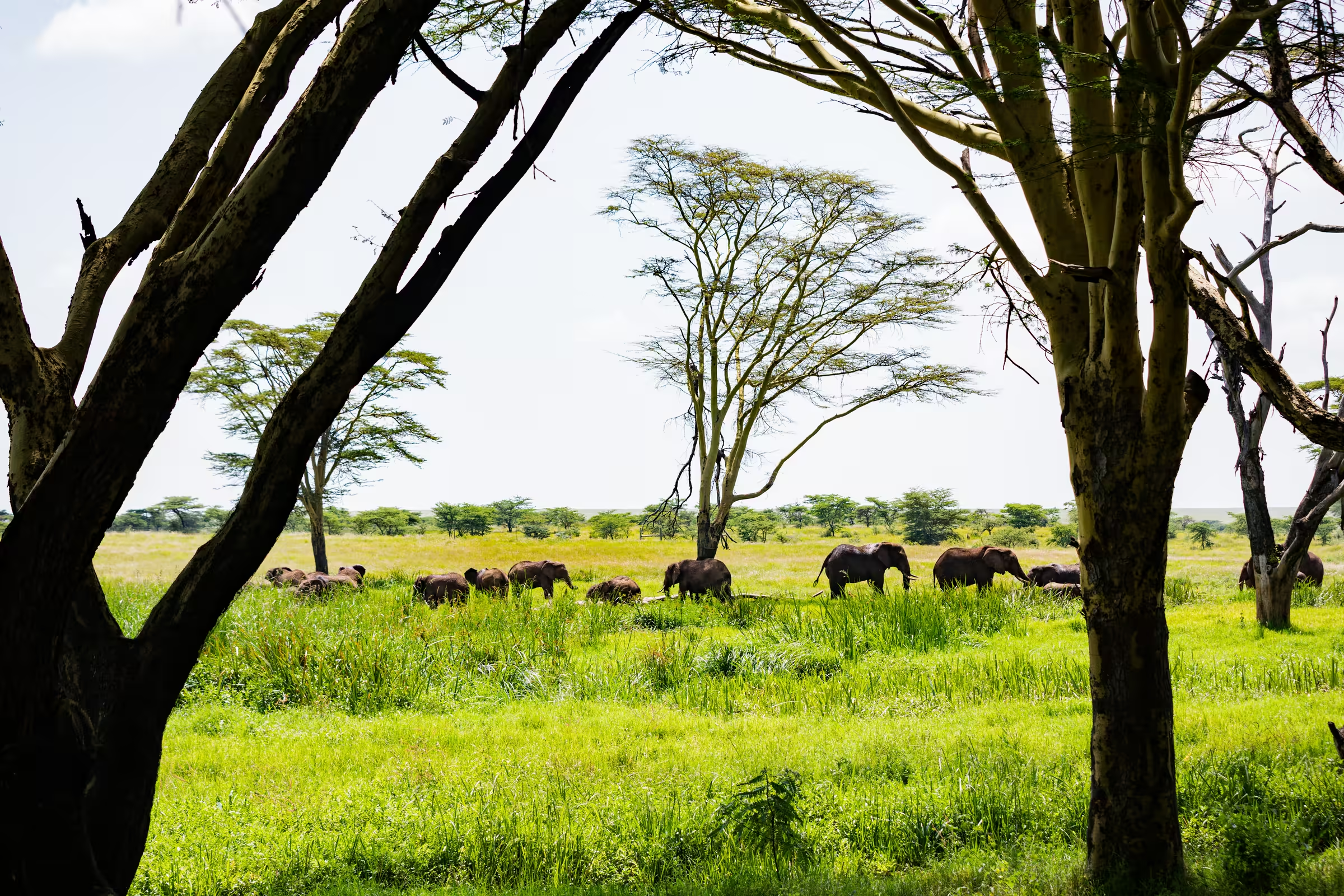
- Elephant
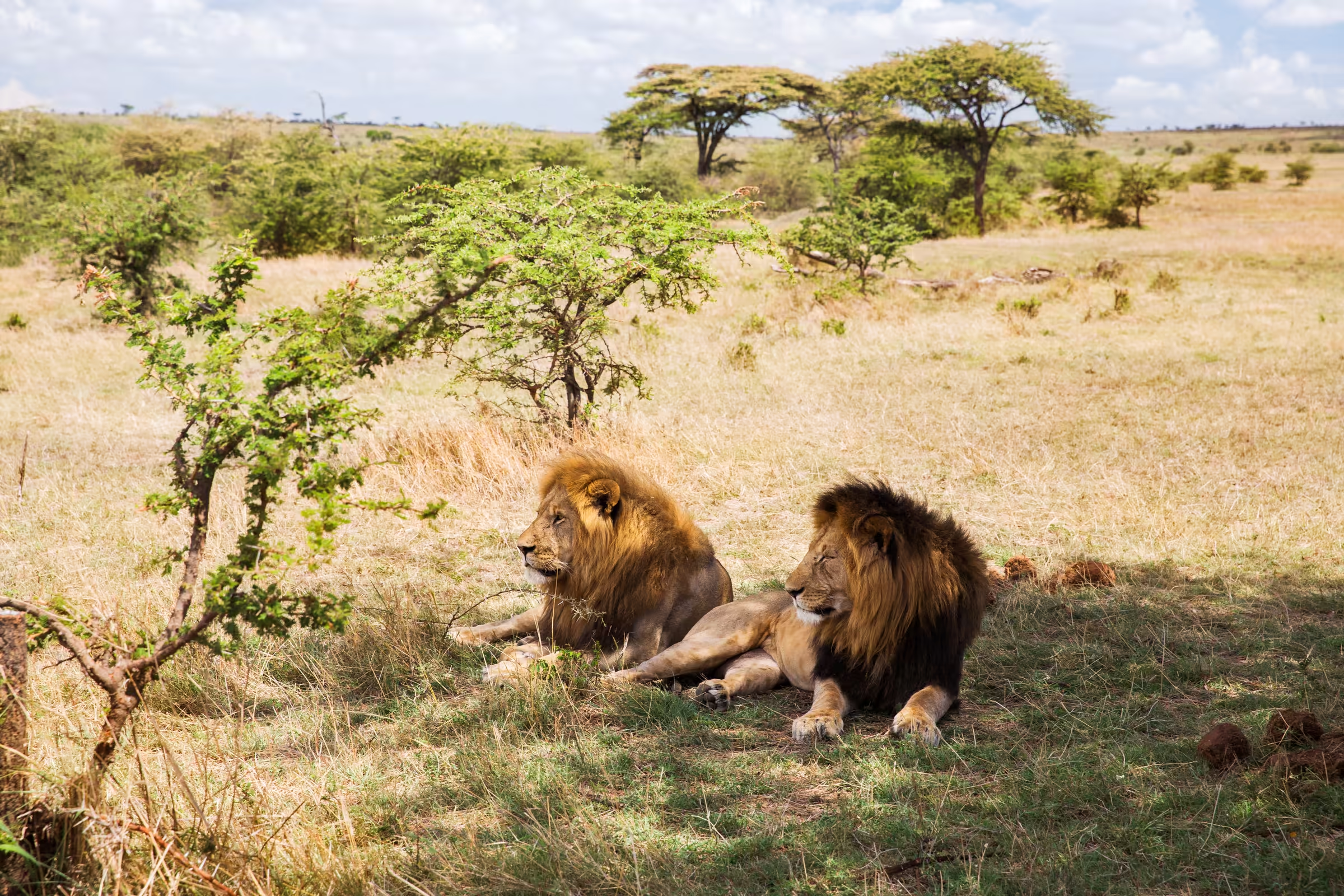
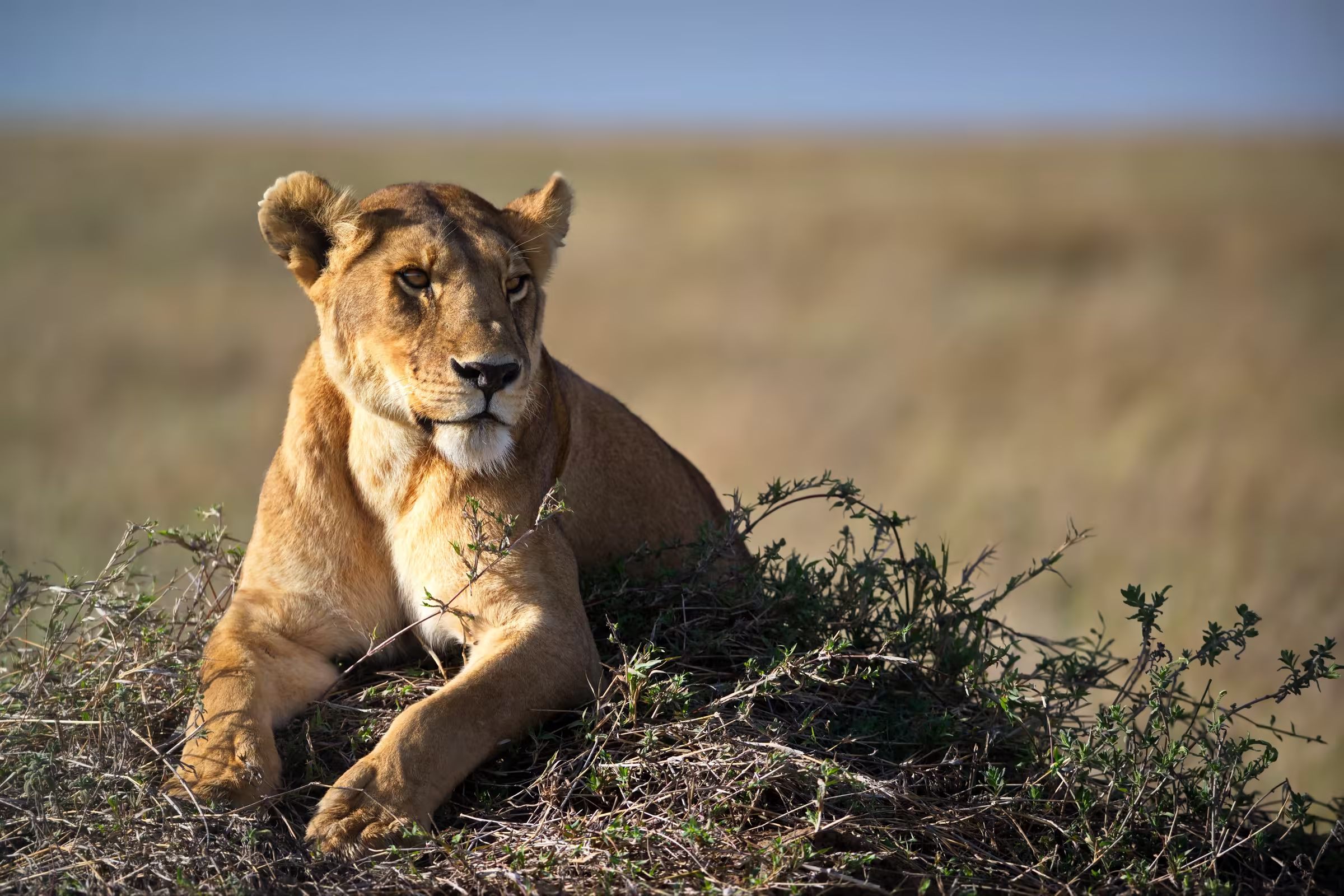
- Lion
- Wild dog
- Greater kudu
- Leopard
- Buffalo
What you actually see
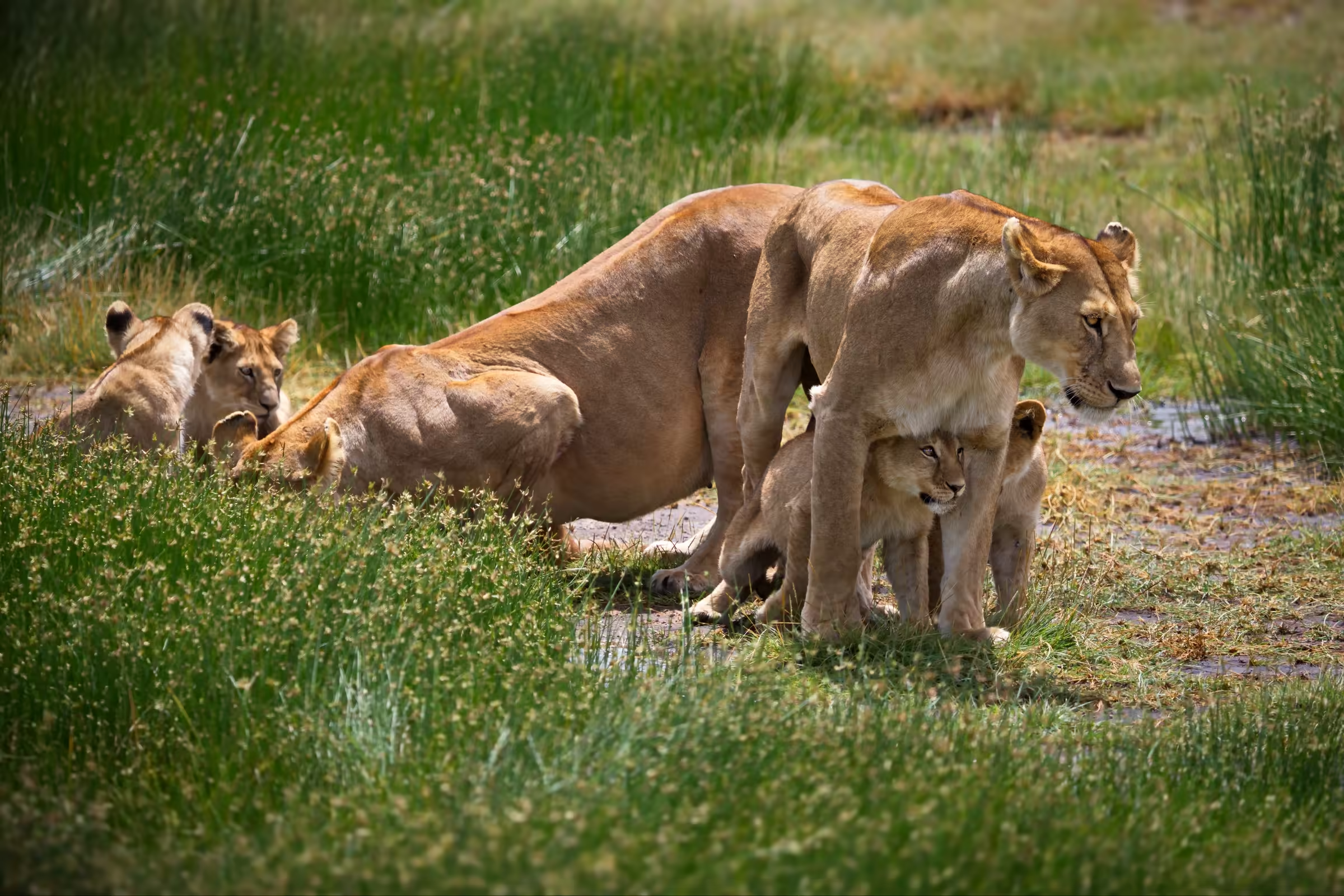
Very large lion prides
Prides of twenty or more are recorded here, hunting buffalo and even young elephant.
Both kudu
Greater and lesser kudu in the same park — a distribution overlap that happens in very few places.
Baobabs on a scale that reads as forest
Not scattered specimens but stands of them across whole hillsides.
Space
Roughly 20,000 square kilometres and a handful of camps. The absence of other vehicles is the product.
02
What the park is like
The Great Ruaha in the dry season
By September the river is a series of pools and sand, and the game concentrates on it absolutely. Elephant dig for water in the bed; lion and hyena work the banks.
The river
Woodland, and what lives in it
Away from the river the park is miombo woodland — sable, roan and Lichtenstein’s hartebeest, none of them common on the northern circuit.
The miombo
Large prides, and wild dog
Ruaha’s lion prides run large. African wild dog are present and denning is sometimes seen between June and August.
The cats
03
Where to stay
Tented camp or lodge, Ruaha
Canvas walls, a real bed and the sound of the park at night.
The kind of place and the area are fixed by the route. The property itself is chosen for your dates and budget, and named in your quote.
04
Getting there
Getting there
By light aircraft from Dar es Salaam or Arusha.
Combine with
05
Trips that include Ruaha
06
Best time to go
Best months · Jun–Oct
The dry season
Animals gather along the rivers and the bush thins out — the classic months for the south.
The green season
Hot, lush and very good for birds. Some tracks become hard going.
The long rains
Many camps in the south close. Ask before planning these months.
07
When to go
08
More places to go
Nyerere (Selous)
Boat safaris and walking on the Rufiji.
Mikumi National Park
Reachable by road from Dar es Salaam.
Katavi National Park
Buffalo herds in the thousands, and near-total solitude.