




01 · Where you stay
The logistics are the interesting part: fresh food, in heat, at the end of a long track, cooked for a fixed number of people who all arrive at once.
Camps buy and carry in, usually on a cycle of a few days. What arrives is genuinely fresh and the cooking is generally very good — often better than the surroundings would suggest, because a good camp cook is a prized and well-paid job.
Meals run to the rhythm of the drives rather than the clock: something before dawn, a proper breakfast in the bush or back at camp, lunch during the heat, and dinner after the evening drive.
02 · The detail
The day, in meals

Coffee and something small
Delivered to the tent or taken standing by the fire before you leave. Rarely more than biscuits and fruit.

A bush breakfast
Set up wherever the morning ended — a table, chairs and a full cooked breakfast in the middle of nowhere. It is a signature of a good camp.
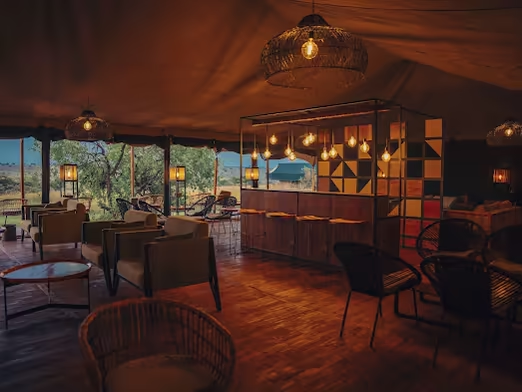
Dinner, and the fire before it
Drinks around the fire at sunset, then dinner — often communal at smaller camps, private if you ask.
03 · Practical

