





The dry season is easier. The green season is better looking, and it is cheaper, and there is nobody there.
What the rain actually does to a photograph
Two things. It washes dust out of the air, so distant hills are sharp instead of hazy. And it builds enormous cloud structures that turn a flat sky into a backdrop.
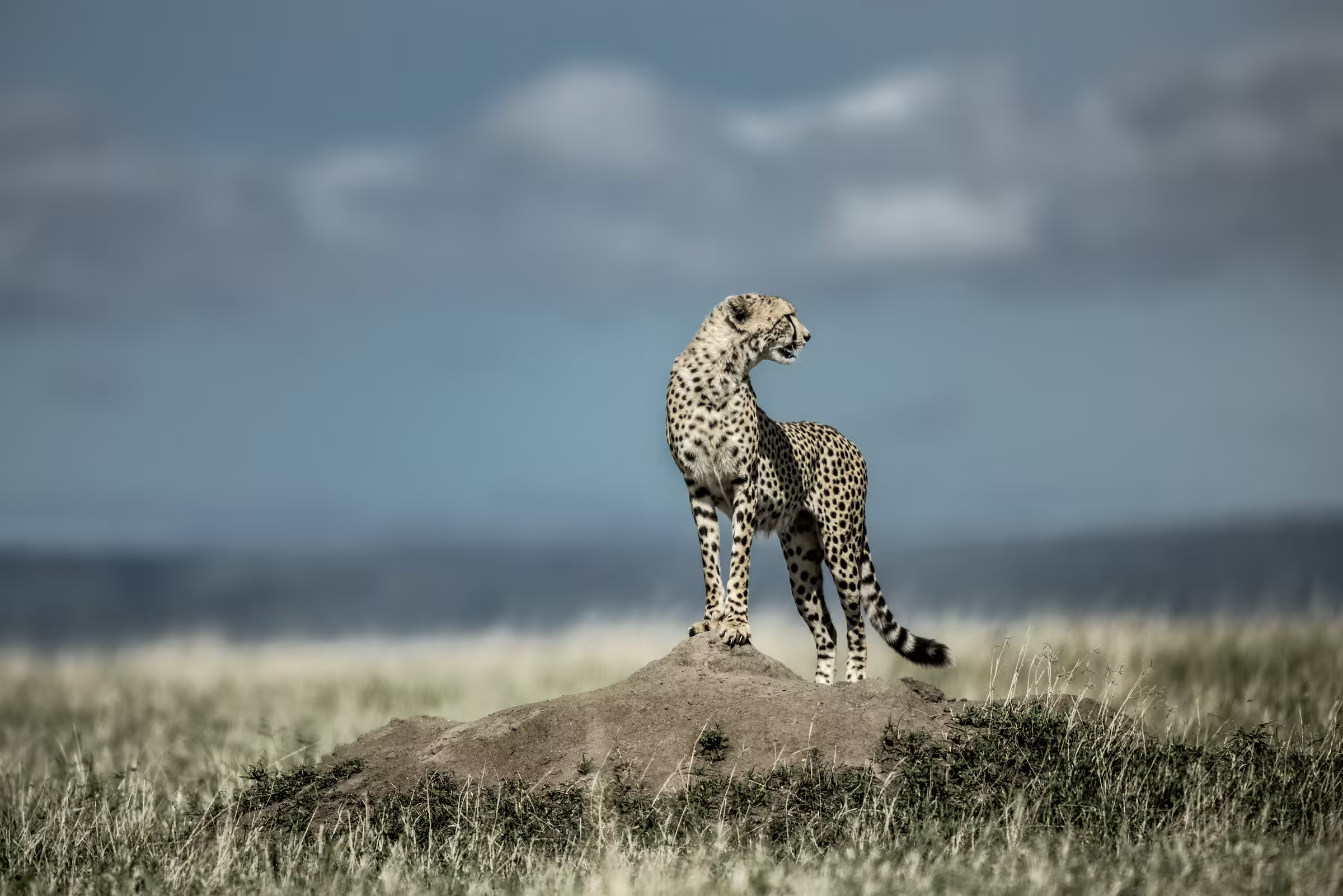
A wildebeest on brown grass under a white sky is a snapshot. The same animal on green grass with a black storm behind it and low sun coming under the cloud is a photograph. The difference is the season, not the photographer.
It does not rain all day
The pattern in the green season is a clear morning, cloud building through the middle of the day, and a heavy burst in the afternoon that clears within an hour or two. Mornings — which is when you drive — are usually fine.
The other advantages
- Calving, from late January to March, which is the densest wildlife event of the year.
- Migrant birds, in breeding plumage.
- Newborn animals of every species, not just wildebeest.
- Camp rates at their lowest, and single supplements often waived.
- Sightings you have entirely to yourself.
The honest disadvantages
- Tracks get hard, and some become impassable in April and May.
- Some camps close entirely in the long rains.
- Grass is long, which hides small animals.
- More mosquitoes.
- Game is dispersed rather than concentrated on water.
Which months
November, and January to March, are the sweet spot — green, dramatic and entirely workable. April and May are the serious rains and are for people who genuinely do not mind getting wet in exchange for having the Serengeti to themselves.

